%20can%20still%20be%20seen.jpg)

Effective deinking removes inks, coatings, and contaminants from packaging, thereby preserving the quality of the recycled material and enabling higher-value recycling.
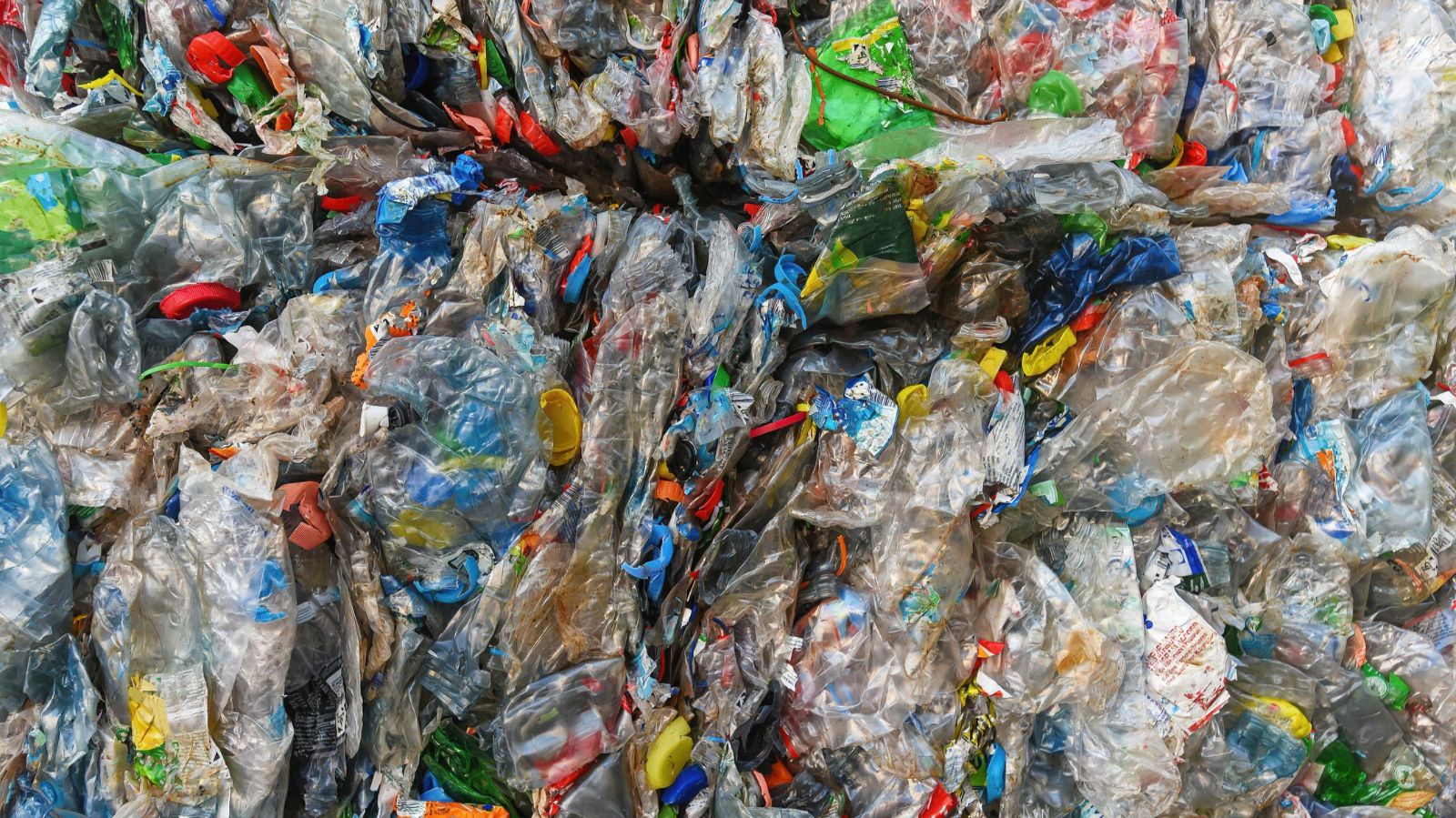
Plastic packaging represents the largest plastics application sector in Europe, accounting for approximately 40% of total plastic demand. Packaging applications include flexible films, pouches, rigid containers, bottles, trays, labels, and shrink sleeves, with the food and beverage sector being the dominant end use. In 2022, the European Union generated 16.2 million tonnes of plastic packaging waste, equivalent to 36.1 kg per capita. Despite increasing recycling efforts, only 6.58 million tonnes (40.7%) of this plastic packaging waste was recycled [1].
A major challenge in plastic packaging recycling is the presence of inks, varnishes, and coatings that contain pigments, binders, and additives that can remain on the plastic during conventional sorting and washing. When contaminated flakes are re-extruded at temperatures above 200 °C, ink components may degrade and cause discoloration, odor, and deterioration of mechanical properties. Consequently, the recyclate may be unsuitable for demanding or closed-loop packaging applications and instead be downcycled. Even though ink commonly represents only about 0.5–5 wt.% of mono-layer flexible packaging, it can substantially reduce recyclate quality.
The most common approach to remove inks from packaging is wet chemical deinking, in which shredded packaging is treated in a hot aqueous wash containing alkali, detergents, and/or surfactants.
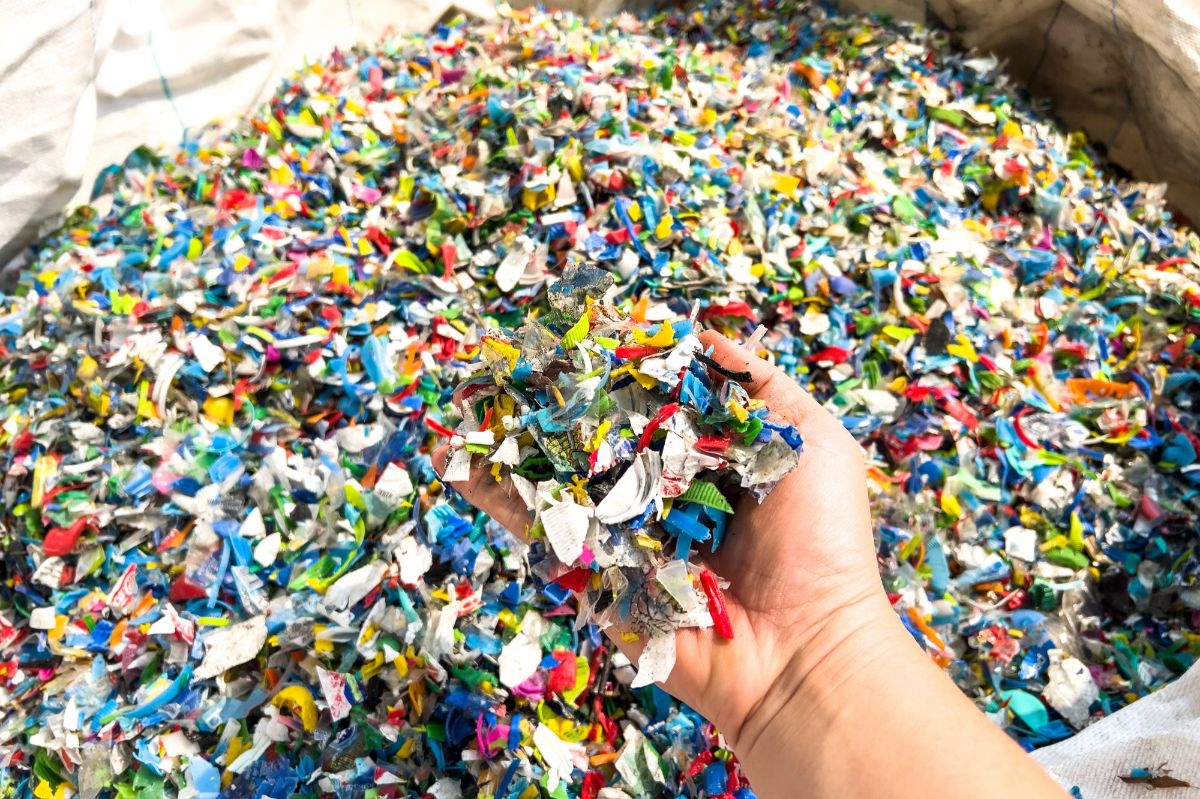
The washing chemistry weakens or hydrolyzes the ink binder, and agitation releases the pigment-containing ink layer from the polymer surface. Mechanical action is usually combined with chemical treatment: friction washers, high-shear units, and agitation scrub softened ink from plastic flakes. Detached particles are removed by rinsing, screening, filtration, sedimentation, or flotation before the cleaned plastic is dried and re-extruded [3].
The need to develop reliable deinking strategies is reinforced by the EU Packaging and Packaging Waste Regulation (PPWR), (EU) 2025/40, which requires packaging to be recyclable and progressively raises the expected performance of its design. From 2030, packaging must achieve one of three recyclability performance grades: Grade A, corresponding to at least 95% recyclable mass; Grade B, at least 80%; or Grade C, at least 70%. Packaging below Grade C will not be permitted on the EU market, while Grade C will be phased out from 2038, leaving Grade B as the minimum accepted level.
These requirements place increasing emphasis on packaging components that can affect sorting and recyclate quality, including inks, varnishes, primers, labels, and adhesives. In this context, deinking is relevant because the removal of printed layers before extrusion can limit color contamination, odor formation, and the presence of degradation products, enabling recycled plastics to meet higher-value quality requirements [4].
At present, Europe has no single harmonized EN or ISO standard that defines a universal deinking process or pass/fail criterion for all printed plastic packaging. The available framework consists of the PPWR regulatory driver, EuPIA recommendations, the German DIN SPEC 91496:2024-02, and format-specific RecyClass design-for-recycling guidelines and evaluation protocols. EuPIA identifies deinking as an important route to improve recyclate color, transparency, odor, and technical performance, and has called for deinking to be incorporated into future design-for-recycling guidance and CEN standardization.
DIN SPEC 91496:2024-02 is currently the most relevant published procedure dedicated specifically to printed polymer packaging. It evaluates the deinkability of a printed sample relative to an equivalent unprinted control after defined washing conditions. The RecyClass REP-PETbot-03 protocol assesses inks, varnishes, and coatings applied to PET bottle decorations under conditions representative of conventional PET-bottle recycling. It uses hot caustic washing at 85 °C for 15 min in an aqueous solution containing 1 wt.% NaOH and 0.3 wt.% surfactant, followed by rinsing, wash-water assessment, and sink-float separation. [5][6]
Figure 2. Deinking test method
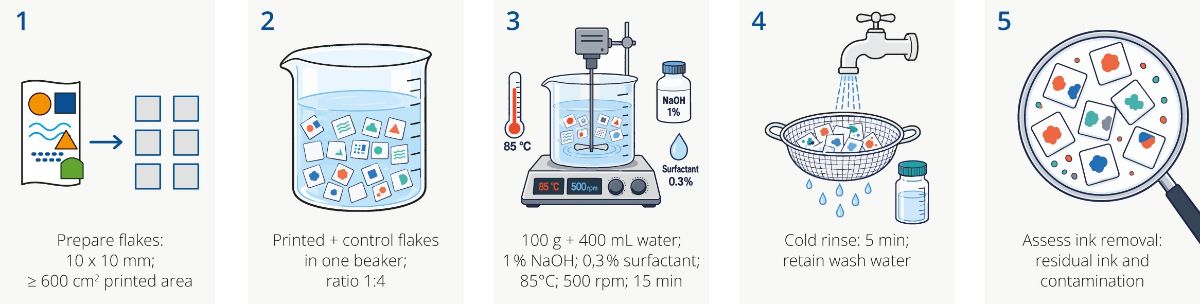
For the present work, a combined approach based on DIN SPEC 91496 and RecyClass REP-PETbot-03 was selected. This consists of:
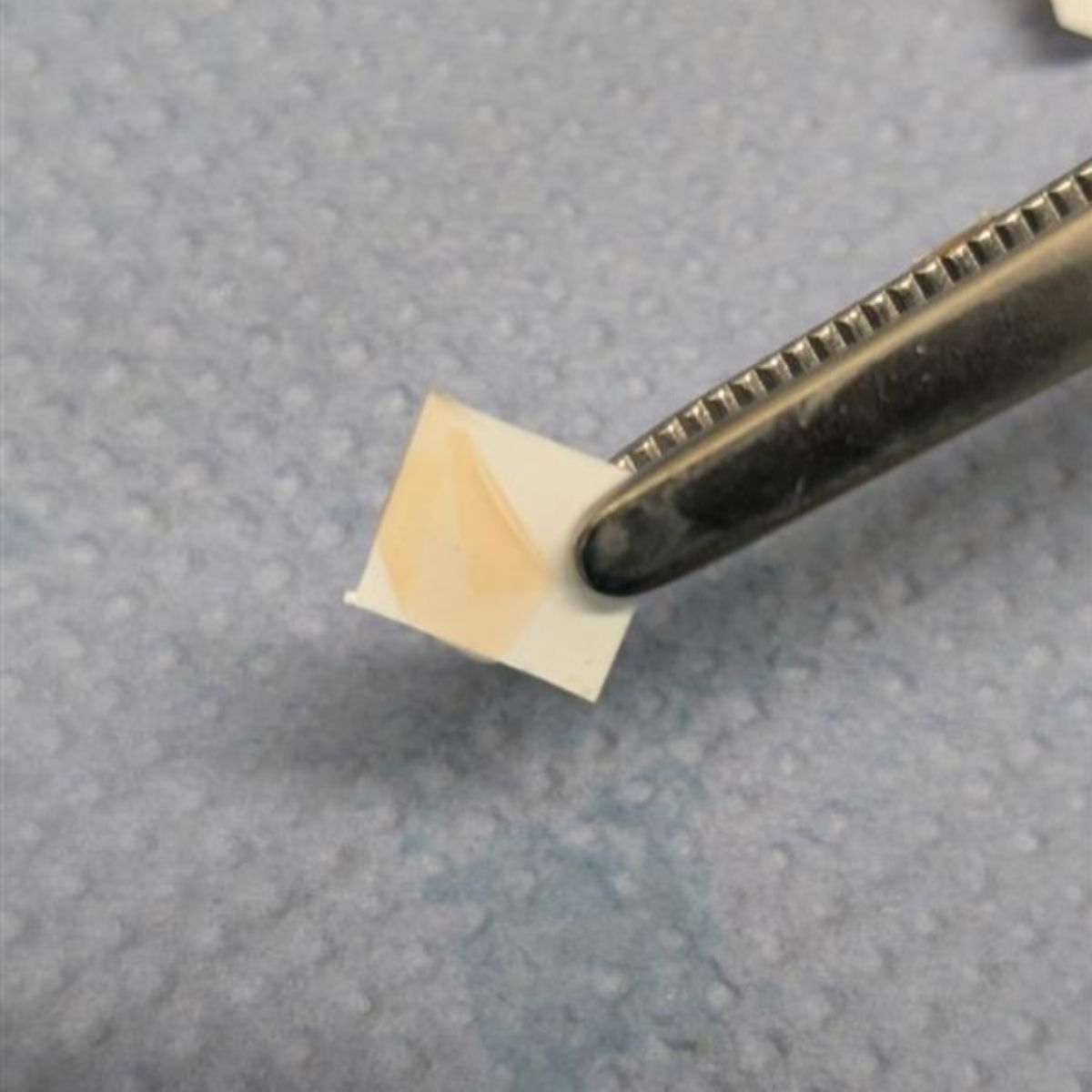
RadLab's (RAHN’s application and testing laboratory) approach involves the development of a deinkable primer layer that serves as an intermediate coating between the substrate and the printed ink. The primer is designed to be readily removable under deinking conditions, enabling the release of the overlying ink layer through delamination while remaining insoluble in the alkaline washing solution.
The primer provides optimal adhesion to a range of commonly used packaging substrates, including PET, PE, PP, and PVC label films. Furthermore, it is compatible with conventional UV-curable and LED-curable printing inks and can be overprinted without requiring any modification of existing ink formulations.
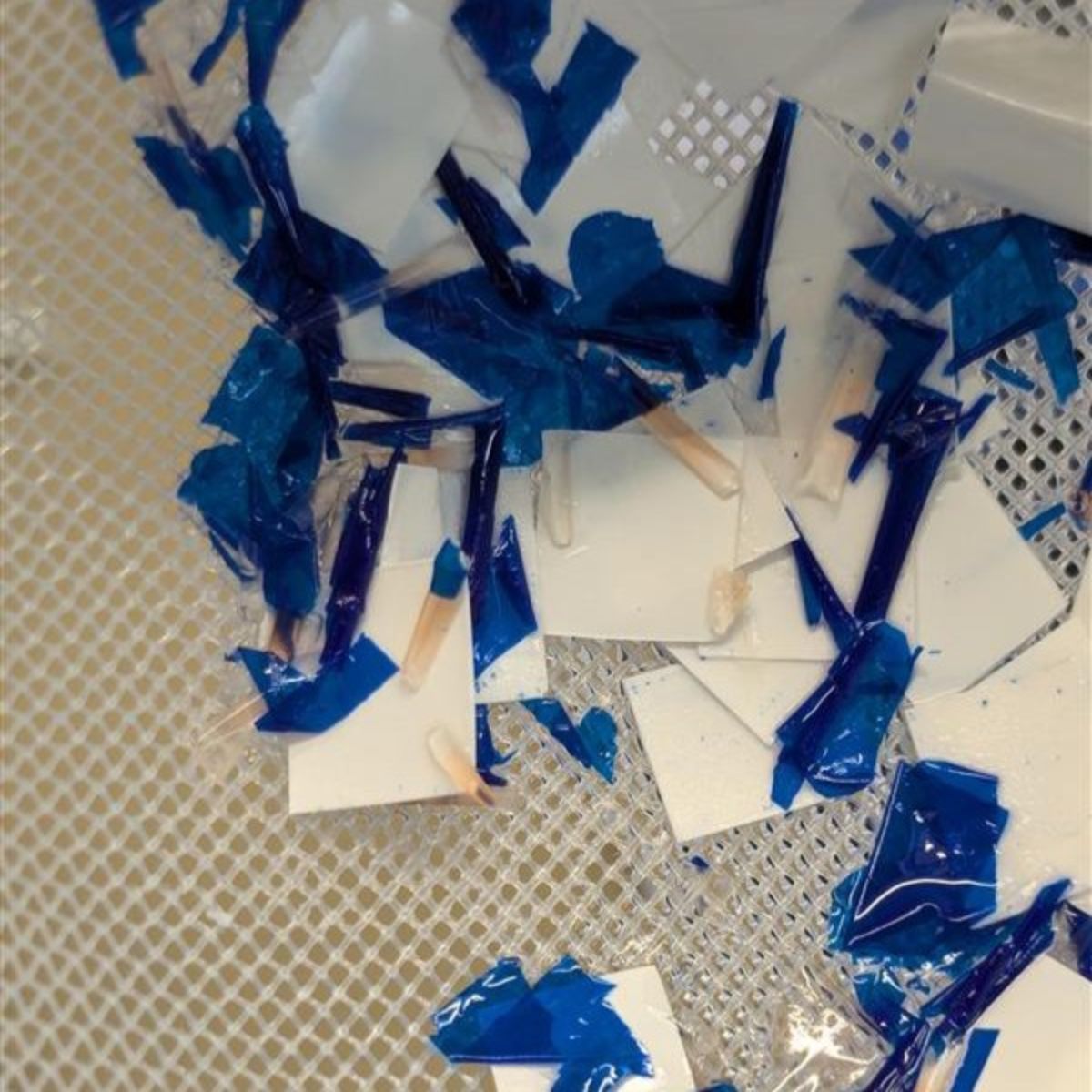
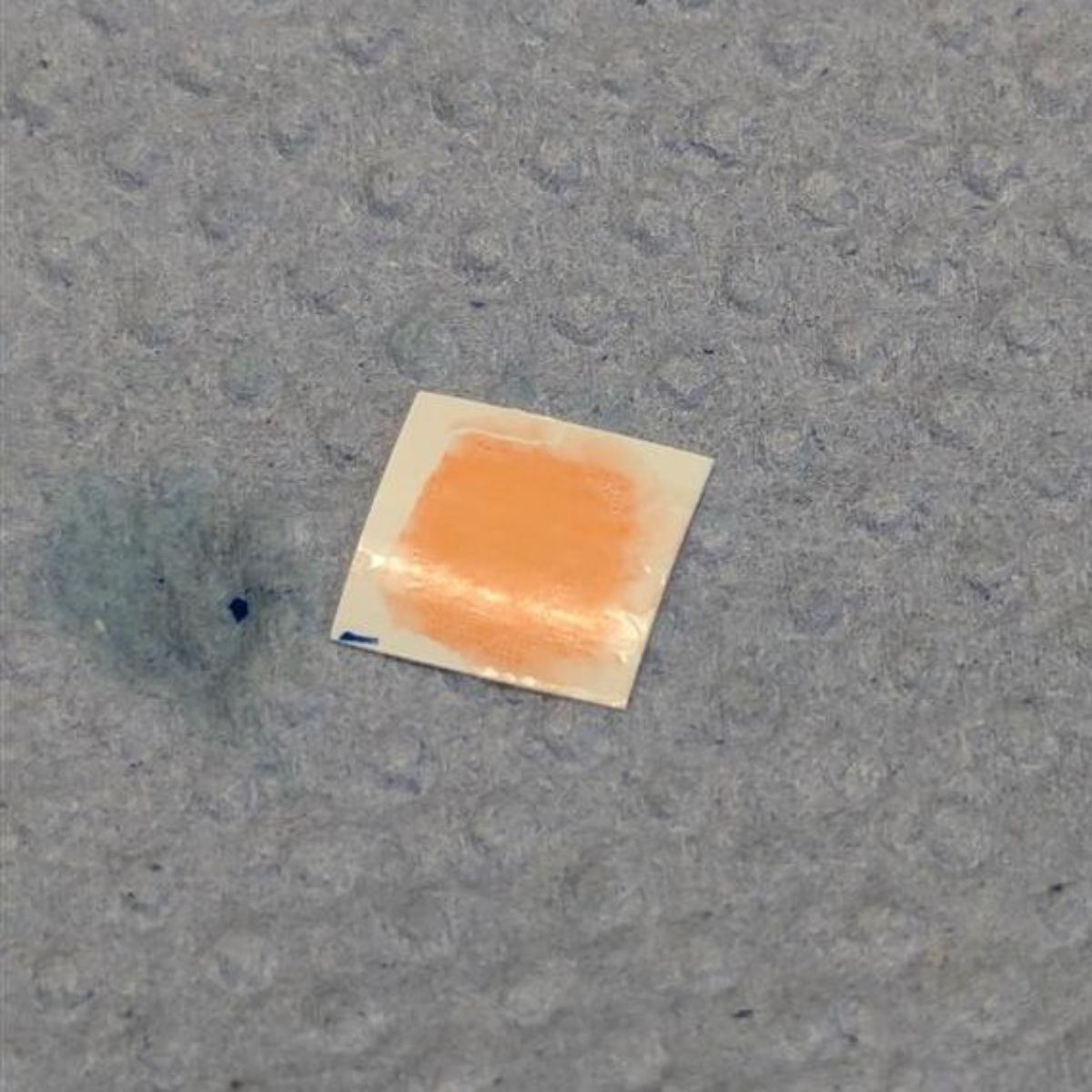
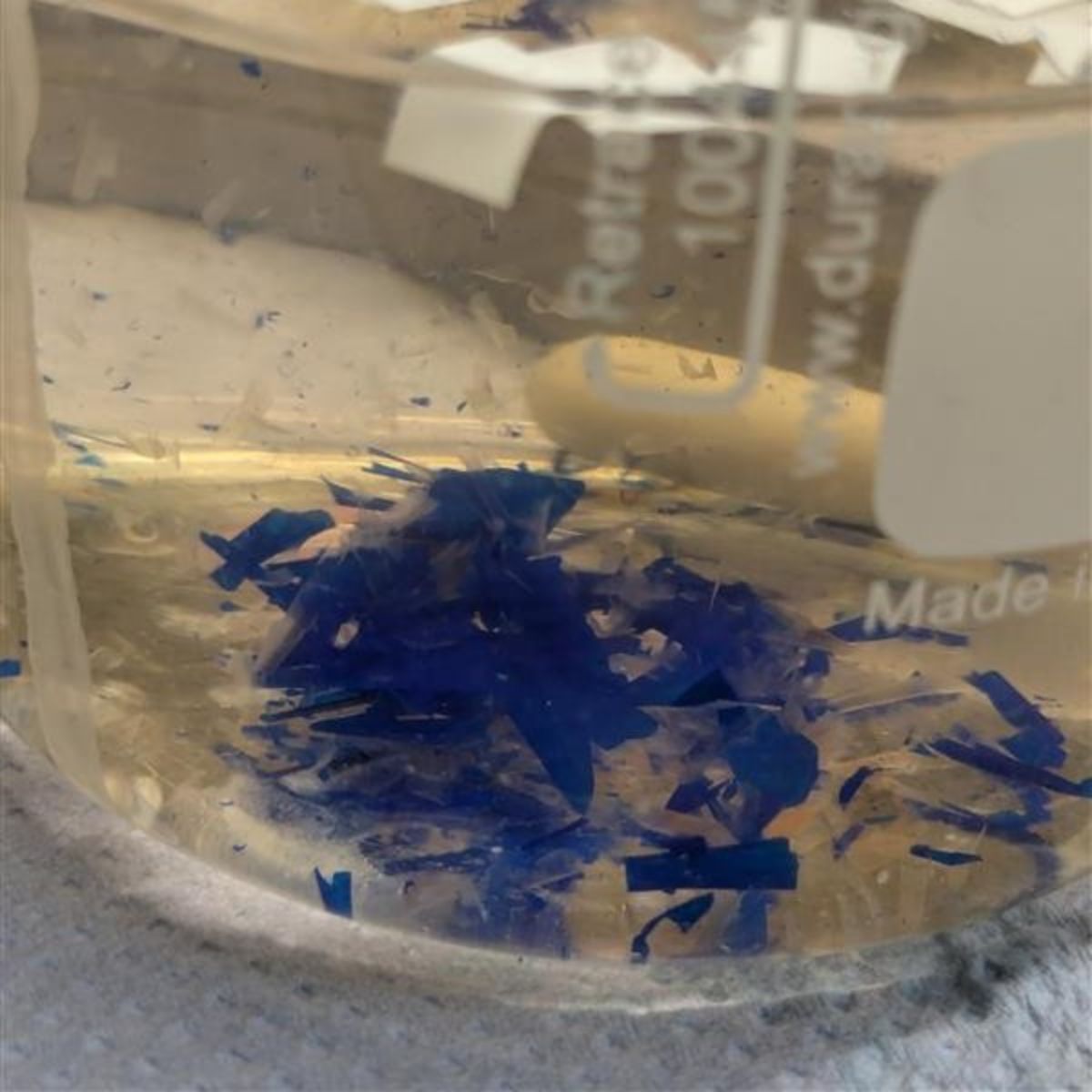
Figure 3. Ink removal from plastic flakes, primer (orange) can still be seen
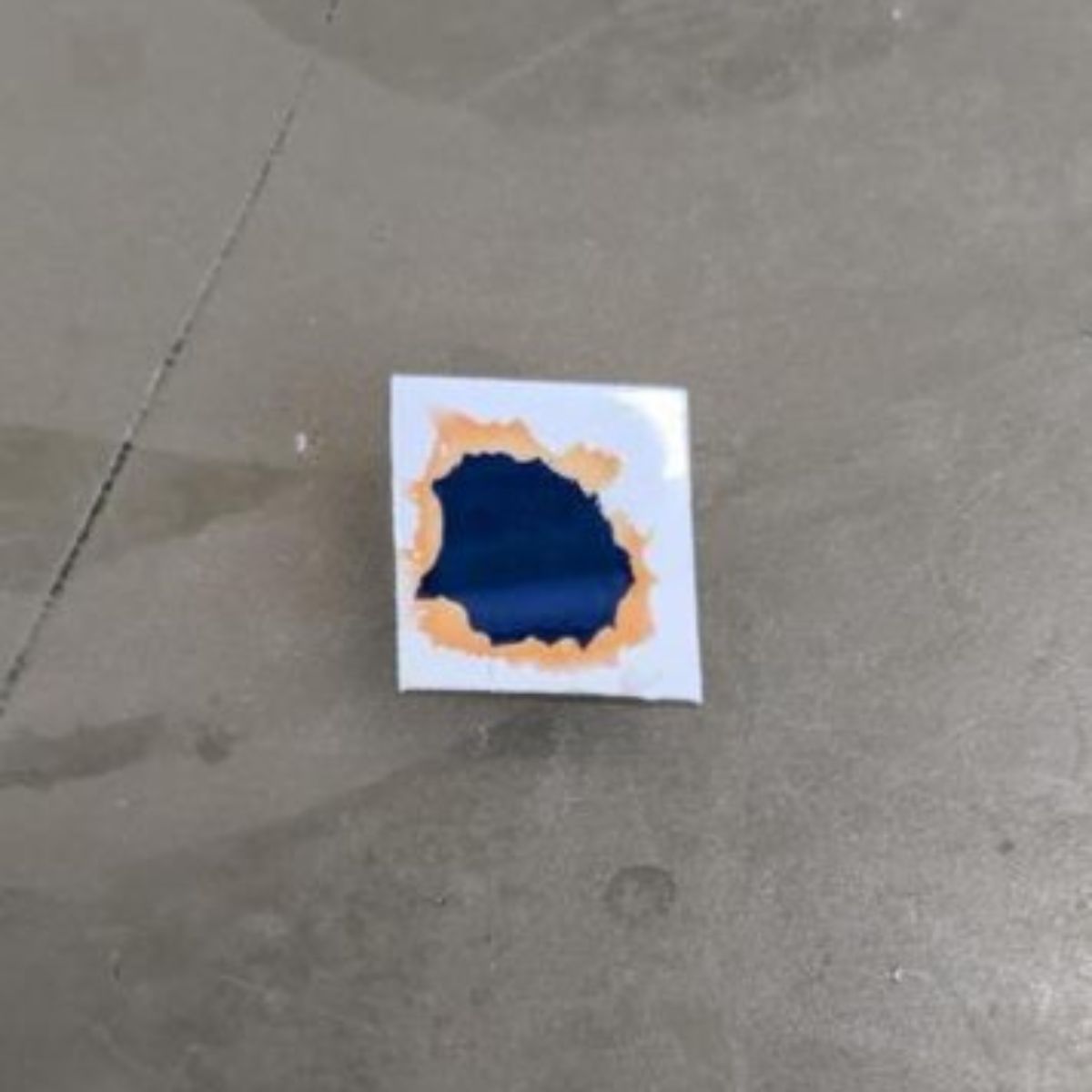
Figure 4. Primer delamination from plastic substrate (orange)
When formulating a deinkable primer, several variables must be carefully controlled to obtain a coating that combines strong adhesion to different substrates with the ability to delaminate under predefined deinking conditions. A primer that efficiently removes the ink layers but exhibits insufficient adhesion is not suitable for practical applications. Likewise, a primer that adheres strongly to substrates but cannot delaminate during deinking is equally ineffective.
It is also essential that delamination occurs only under the intended process conditions, namely in alkaline solution, to prevent undesired deinking during normal use or handling.
The formulation of a deinkable primer therefore requires an appropriate balance between:
These parameters strongly influence adhesion, curing behavior, and deinkability. Under optimal conditions, a suitable compromise between these factors results in a primer that provides sufficient adhesion during service while still allowing deinking within a reasonable processing time. In this case, the primer delaminates as a single coherent layer, enabling efficient separation and collection of both the ink film and the plastic substrate without significant dissolution of the coating into the deinking medium (5a, 5b).
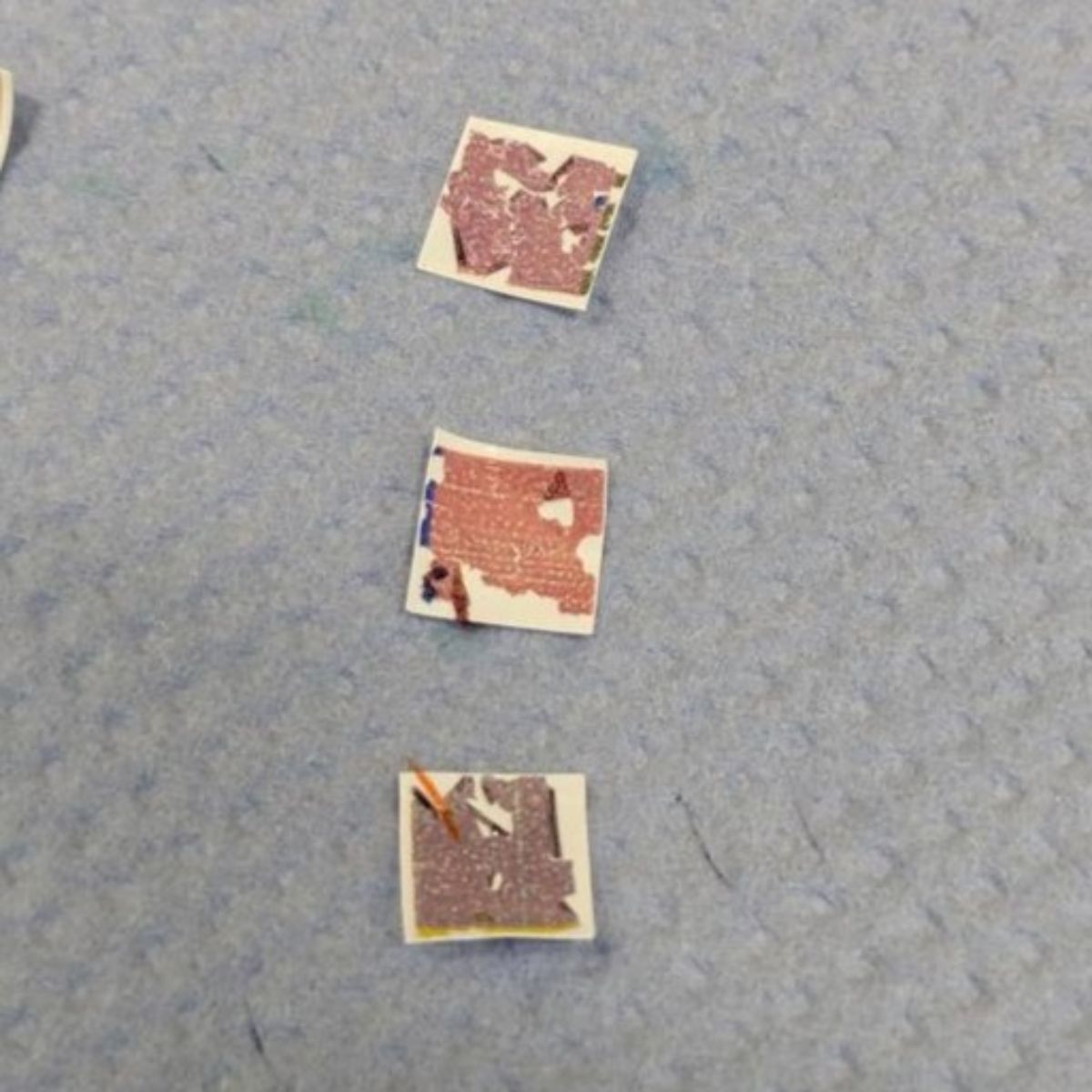
Figure 5. (a) Optimal deinking formulation, primer swells releasing ink and afterwards delaminates. (c) Too high adhesion causes primer to deink partially.
Figure 5. (d) Too high crosslinking density causes the primer and ink to break apart. (e, f) Too low crosslinking density and high alkali solubility cause the primer to bleed into the solution.
An excessive concentration of plastic-swelling monomers and/or adhesion-promoting resins may lead to overly strong adhesion to the substrate. As a result, the primer remains strongly attached to the plastic surface, and only small fragments of the coating delaminate during deinking (Figure 5c). Conversely, if the primer and ink layers detach only from the edges of the flakes while little or no swelling and delamination occur across the film area (Figure 5d), the overall crosslink density may be too high. In such cases, the alkaline solution is unable to sufficiently penetrate the coating, thereby preventing effective delamination.
On the other hand, formulations containing an excessive amount of low-functionality materials and/or alkali-soluble components may partially or completely dissolve into the deinking solution (bleeding). Although this behavior generally results in good ink removal, it is undesirable because it contaminates the alkaline bath and may complicate downstream processing and solution recycling (Figure 5e, f).
Figure 6. Flakes before and after successful deinking process using RAHN's deinkable primer
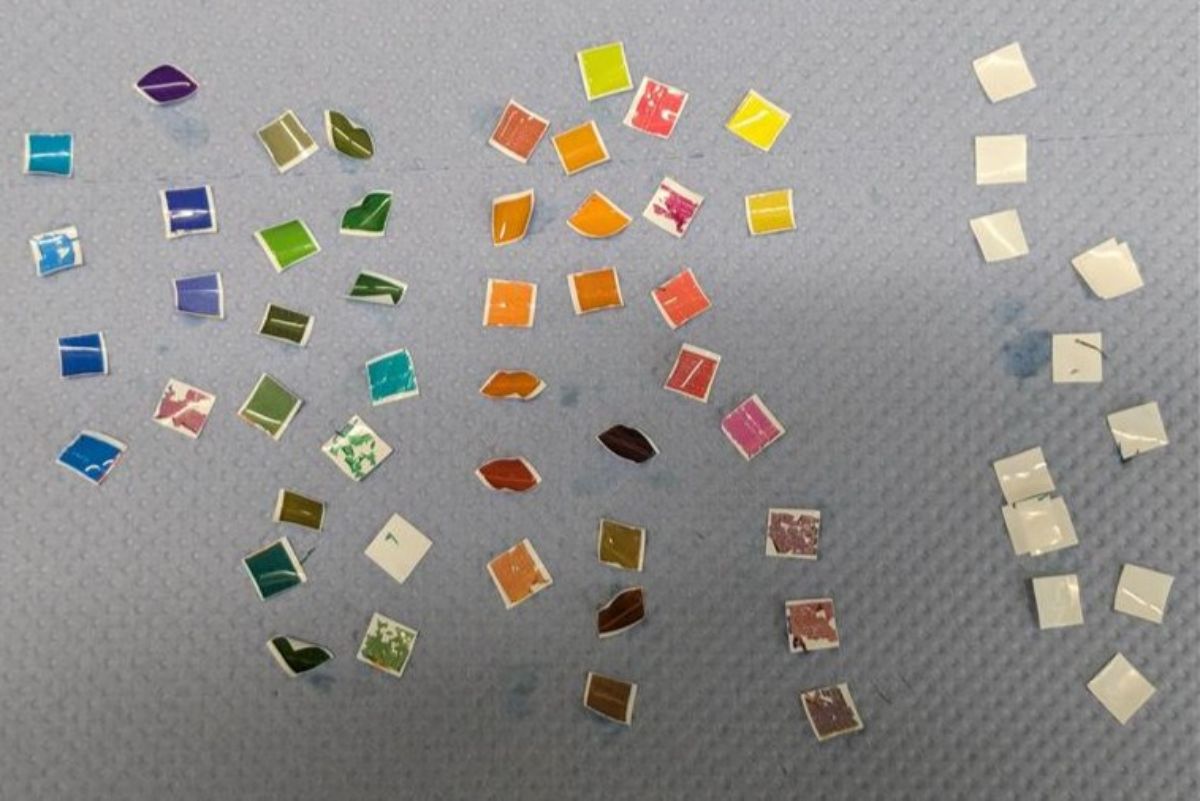
The increasing demand for high-quality plastic recyclates, together with the recyclability requirements introduced by the PPWR, highlights the importance of effective deinking technologies for printed plastic packaging. Conventional wet chemical deinking can successfully remove inks and coatings, but packaging design also plays a critical role in enabling efficient recycling. RAHN's deinkable primer concept demonstrates a design-for-recycling approach in which the primer and ink layers can be selectively delaminated under alkaline washing conditions and removed as solid fragments, leaving clean plastic flakes suitable for mechanical recycling. Achieving this performance requires a careful balance between adhesion, crosslink density, alkali sensitivity, and substrate interaction. When properly formulated, deinkable primers can improve recyclate quality, support closed-loop recycling objectives, and contribute to the transition toward more circular plastic packaging systems.
Talk to our RAHN team about formulation approaches, raw material selection and application testing for deinkable UV/EB systems.

RadLab AG
%20can%20still%20be%20seen-2.png)
%20can%20still%20be%20seen-3.jpg)
%201.jpg)
_2.png)
_3.jpg)